.png)

School Readiness Assessments

School Readiness Assessments in Casula
Helping families and schools prepare children for a successful start to school
Starting school is a major milestone. For some children, the transition into preschool, Kindergarten or Prep may require extra planning, structure and support.
At Kids Therapy Clinics Australia, our School Readiness Assessments help families and schools understand a child’s current strengths, developmental needs and readiness for school. The assessment looks at more than early academics. It considers how a child communicates, follows instructions, participates in routines, manages transitions, plays with others, engages in learning tasks and copes with the demands of a school environment.
Following the assessment, families receive a comprehensive School Readiness Report with practical recommendations that can be shared with the child’s school, preschool, daycare, therapists and support team.
What is a School Readiness Assessment?
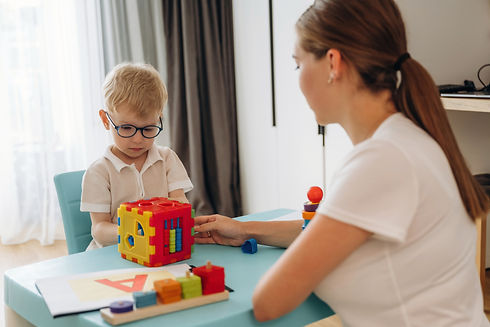
A School Readiness Assessment looks at whether a child has the foundational skills needed to access school routines, group learning, classroom instructions, transitions, play, communication and early academic tasks.School readiness is not just about knowing letters, numbers, colours or shapes. Many children need support with the “learning-to-learn” skills that allow them to participate in a classroom.
This may include:
-
Following simple instructions
-
Sitting for short adult-led tasks
-
Transitioning between activitiesCommunicating needs
-
Asking for help or a break
-
Playing near or with peers
-
Tolerating group routines
-
Managing sensory and emotional regulation
-
Copying actions, routines and classroom behaviours
-
Engaging with early learning concepts
Our School Readiness Assessments help answer one important question:What does this child need in order to access school successfully?
What Is a School Readiness Report?

After the assessment, families receive a written School Readiness Report.
The report summarises the child’s current school-readiness skills, areas requiring support, assessment findings and practical recommendations. It is written to help both families and schools understand the child’s needs clearly and plan the right supports before school begins.
A School Readiness Report may help with:
-
School transition planning
-
Understanding the child’s current developmental profile
-
Identifying support needs before school starts
-
Sharing information with teachers and learning support teams
-
Planning classroom adjustments
-
Setting early school-readiness goals
-
Supporting communication between family, school and therapists
The goal is to provide a practical plan, not just assessment scores.
Who Are School Readiness Assessments For?

A School Readiness Assessment may be suitable for children who are:
-
Starting preschool, Kindergarten or Prep
-
Repeating or delaying school entry
-
Transitioning from early intervention into school
-
Diagnosed with Autism Spectrum Disorder
-
Diagnosed with Global Developmental Delay
-
Experiencing speech, language or communication delays
-
Showing behavioural or emotional regulation difficulties
-
Having difficulty with transitions, routines or group participation
-
Not yet engaging with early academic concepts
-
Requiring school adjustments, additional support or transition planning
These assessments are especially helpful when families are unsure whether their child is ready for school, what type of support may be needed, or what information should be shared with the school before the child starts.
Why School Readiness Matters

A child may be bright, curious and capable of learning, but still not yet ready to manage the demands of a classroom without support.
School environments require children to:
-
Understand adult instructions
-
Move between activities
-
Sit in groups
-
Wait their turn
-
Follow routines
-
Communicate needs safely
-
Participate with peers
-
Cope with noise, movement and sensory demands
-
Complete structured learning tasks
-
Manage changes in routine
For children with developmental delays or neurodevelopmental differences, these skills often need to be taught directly and supported across home, therapy and school.
A School Readiness Assessment helps prevent a reactive approach. Instead of waiting for a child to struggle after school begins, the assessment gives families and schools a proactive transition plan.
What Areas Do We Assess?
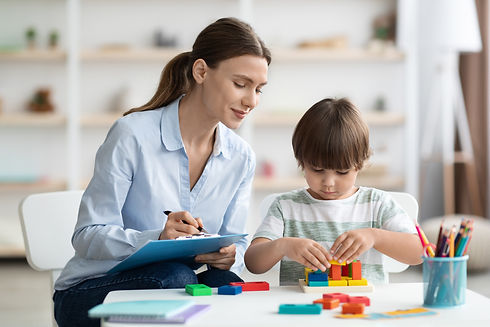
Each child is different, so the assessment is guided by the child’s age, developmental profile, communication level, current therapy information and family concerns.
A School Readiness Assessment may consider:
Communication
We look at how the child communicates their needs, choices, refusals, emotions and requests. This may include spoken language, gestures, pointing, visuals, AAC, behaviour, hand-leading or other forms of communication.
Communication is a key part of school readiness because children need a way to ask for help, request a break, indicate discomfort, participate in routines and be understood by adults.
Understanding Instructions
We consider whether the child can understand and respond to simple directions, familiar routines and classroom-style instructions.
This may include following one-step instructions, responding to name, understanding routine words, using visual cues and managing group instructions.
Attention and Task Engagement
We look at how the child engages with adult-led tasks, structured activities, table work, floor tasks and early learning activities.
This helps identify whether the child can participate in short learning blocks, complete simple tasks and tolerate adult direction.
Transitions and Routines
Many children find transitions difficult. We assess how the child moves between activities, responds to changes, manages waiting and copes with classroom-style routines.
This may include arrival routines, pack-up routines, moving from play to work, group time, snack, toileting, outdoor play and finishing preferred activities.
Play and Social Participation
School readiness includes being able to participate near or with other children.
We consider the child’s play skills, peer awareness, turn-taking, sharing, imitation, parallel play, group participation and ability to join supported social routines.
Sensory and Emotional Regulation
We look at factors that may affect the child’s ability to stay calm, focused and available for learning.
This may include noise sensitivity, movement needs, fatigue, emotional regulation, sensory seeking, sensory avoidance, frustration tolerance and the need for breaks or quiet spaces.
Early Learning Concepts
Where appropriate, we assess early school-readiness concepts such as:
-
Colours
-
Letters
-
Numbers and counting
-
Shapes
-
Sizes and comparisons
-
Matching and sorting
-
Self-awareness
-
Social awareness
-
Early classroom concepts
The assessment helps identify whether the child is ready for early academic expectations or whether they need more foundational teaching first.
What Will Be Included in the School Readiness Report?

Your child’s School Readiness Report may include:
-
A summary of your child’s current school readiness
-
Assessment findings
-
Strengths and areas requiring support
-
Early learning and concept development
-
Communication profile
-
Understanding of instructions
-
Play and social participation
-
Sensory and regulation needs
-
Behaviour and transition considerations
-
Classroom support recommendations
-
Practical strategies for home and school
-
Suggested school readiness goals
-
School transition recommendations
The report is written in a clear and practical way so that parents, teachers and support teams can understand what the child needs and how to support them
Practical Recommendations for Families and Schools
Our School Readiness Reports focus on real-world strategies that can be used at home, in therapy and at school.
Recommendations may include:
-
Visual schedules
-
First/then supports
-
Transition warnings
-
Communication supports
-
Choice-making strategies
-
Short structured learning tasks
-
Movement breaks
-
Sensory regulation strategies
-
Supported group participation
-
Play and peer interaction strategies
-
Reinforcement and motivation strategies
-
Individual school transition planning
-
Suggested school-readiness goals
These recommendations help families and schools create a clearer plan before the child starts school.
Helping Families and Schools Work Together

A School Readiness Report can support communication between parents, therapists, teachers, early childhood educators and school learning support teams.
It can help everyone understand:
-
How the child communicates
-
What helps the child learn
-
What routines may be difficult
-
What supports may be needed in the classroom
-
What goals should be prioritised
-
How to make the school transition smoother
When families and schools have a shared understanding, children are more likely to receive consistent support across environments.
School Readiness for Children with Autism and Developmental Delay

Children with autism, developmental delay, ADHD, speech delays, sensory needs or behavioural challenges may require extra support to access school routines and classroom expectations.
A School Readiness Assessment can help identify whether the child needs support with:
-
Functional communication
-
Listening and responding
-
Following routines
-
Emotional regulation
-
Transitions
-
Group participation
-
Peer play
-
Attention and engagement
-
Early learning concepts
-
Independence skills
-
Classroom adjustments
The assessment does not simply ask whether a child is “ready” or “not ready”. It identifies what the child needs in order to access school as successfully as possible.
When Should You Book a School Readiness Assessment?

You may wish to book a School Readiness Assessment if your child is starting school within the next 6 to 18 months, or if you are unsure whether they are ready for school.
You may also consider an assessment if:
-
Your child’s school, preschool or daycare has raised concerns
-
Your child has difficulty following group routines
-
Your child becomes distressed during transitions
-
Your child is not yet communicating their needs clearly
-
Your child avoids structured tasks
-
Your child has difficulty sitting, waiting or attending
-
Your child has limited peer play or social participation
-
You want a written report to share with the school
-
You want practical strategies before school begins
Early planning gives families, therapists and schools more time to prepare the right supports.
Why Choose Kids Therapy Clinics Australia for School Readiness Assessments?
At Kids Therapy Clinics Australia, we support children with a wide range of developmental, communication, learning, sensory and behavioural needs.
Our team provides comprehensive child therapy services under one roof, including Speech Therapy, Occupational Therapy, Behaviour Therapy, Digital Therapy, CBT, Sensory Stimulation Therapy and more.
Our School Readiness Assessments are designed to be practical, family-friendly and useful for schools. We focus on helping families understand their child’s needs and helping schools plan the supports required for a smoother transition.

Book a School Readiness Assessment in Casula
Help your child start school with a clearer plan and the right supports in place.
Kids Therapy Clinics Australia provides School Readiness Assessments for children with autism, developmental delay, communication difficulties, sensory needs, behavioural challenges and school transition concerns.
Frequently Asked Questions
What age is a School Readiness Assessment for?
A School Readiness Assessment may be suitable for children preparing to start preschool, Kindergarten or Prep. Many families book when their child is between 3 and 6 years old, especially if they have concerns about development, communication, behaviour, learning or school transition.
Is this only for children with autism?
No. School Readiness Assessments may be helpful for children with autism, developmental delay, ADHD, speech and language delays, sensory needs, learning concerns, behavioural difficulties or general concerns about school transition.
Will I receive a written report?
Yes. Families receive a School Readiness Report after the assessment. The report outlines the child’s current strengths, support needs, assessment findings and practical recommendations for home and school.
Can the report be shared with my child’s school?
Yes. Many families choose to share the report with their child’s school, preschool, daycare, teacher or learning support team. The report is designed to help schools understand the child’s needs and plan appropriate supports.
Does the assessment tell me whether my child should start school?
The assessment provides information about your child’s current readiness and support needs. It does not make the final enrolment decision for families or schools, but it can help parents and educators make more informed decisions.
What if my child is not yet talking?
A child does not need to be speaking to complete a School Readiness Assessment. We consider all forms of communication, including gestures, visuals, AAC, pointing, behaviour, vocalisations and functional communication attempts.
What if my child cannot sit for formal testing?
That is important information in itself. The assessment can include observation, play-based tasks, parent input and clinical information. We look at how your child learns, communicates and participates, not only how they perform in formal testing.
Can this help with school transition planning?
Yes. A key purpose of the assessment is to help families and schools plan the transition into school. This may include recommendations for visual supports, communication strategies, transition routines, sensory supports, classroom adjustments and school-readiness goals.